
Dioptra AI: Revolutionizing Contract Review Efficiency
Table of Contents
- Introduction
- What Makes Dioptra AI Different in Contract Review
- Dioptra Contract Review Technology Architecture
- Core Features and Contract Analysis Capabilities
- Dioptra Pricing Structure and Investment Considerations
- Deployment Options and Technical Requirements
- Security Features and Compliance Standards
- Comparing Dioptra to Legal AI Competitors
- Best Use Cases and Ideal User Profiles
- User Experience and Customer Feedback
- Setup Realities and Getting Started
- Limitations and Areas for Improvement
- Bottom Line
- Introduction
- What Makes Dioptra AI Different in Contract Review
- Dioptra Contract Review Technology Architecture
- Core Features and Contract Analysis Capabilities
- Dioptra Pricing Structure and Investment Considerations
- Deployment Options and Technical Requirements
- Security Features and Compliance Standards
- Comparing Dioptra to Legal AI Competitors
- Best Use Cases and Ideal User Profiles
- User Experience and Customer Feedback
- Setup Realities and Getting Started
- Limitations and Areas for Improvement
- Bottom Line
Introduction
Contract review is critical where speed and accuracy determine competitive advantage. Legal teams face pressure to review more contracts without sacrificing quality. Dioptra AI offers a contract review platform using artificial intelligence to simplify document analysis. Dioptra’s acquisition by Icertis in November 2025 highlights its growing influence in the legal tech industry. This review examines Dioptra AI’s capabilities, market fit, and considerations for adoption, including technology, pricing, applications, and limitations.
What Makes Dioptra AI Different in Contract Review
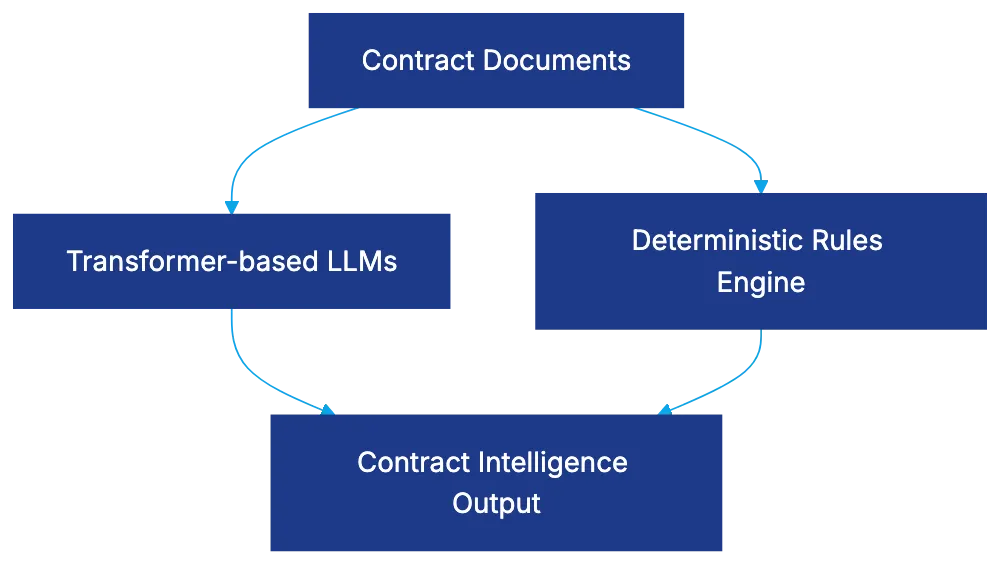
Dioptra AI is a contract intelligence platform for legal professionals to extract insights from agreements quickly. Using a hybrid AI, it combines large language models with machine learning algorithms tailored to legal documents. This ensures accuracy in legal language interpretation compared to pure LLM or rules-based systems.
Dioptra AI Hybrid Architecture:
The platform focuses on extraction, analysis, and risk identification, excelling in contract review rather than broad legal operations. It processes contract types like purchase agreements and NDAs, offering deep analysis on obligation tracking, renewal dates, and liability clauses. The interface prioritizes usability, allowing quick processing and customization.
Dioptra Contract Review Technology Architecture
Dioptra employs a dual-engine architecture. The first engine uses transformer-based models for legal phrasing interpretation. The second applies deterministic rules for requirement validation, allowing legal teams to refine analysis directly. This approach is detailed in Dioptra’s official documentation. This hybrid approach ensures accurate extraction and risk assessment, giving users control over contract interpretation.
Core Features and Contract Analysis Capabilities
Contract Review Process Flow:

Dioptra AI offers features essential for legal professionals. It automatically categorizes standard provisions and extracts parameters like dollar amounts and deadlines. Obligation tracking links obligations to relevant deadlines, creating an action checklist. Risk scoring prioritizes review efforts, and bulk analysis identifies patterns and upcoming renewals.
Dioptra Pricing Structure and Investment Considerations
Pricing scales based on contract volume and feature access. It starts around $15,000 to $25,000 annually for smaller departments and up to $60,000 for mid-market. Enterprise options require individual quotes. The pricing reflects specialized contract review capabilities, including onboarding support and training.
Deployment Options and Technical Requirements
Dioptra offers cloud and on-premise deployment options, integrating with document management systems. Cloud deployment ensures redundancy and uptime, while on-premise suits strict data residency requirements. System requirements include modern web browsers and internet connectivity. CompareX provides similar deployment flexibility in the AI contract analysis space.
Security Features and Compliance Standards
Dioptra is SOC 2 Type II certified, ensuring security controls and data handling practices. It uses AES-256 encryption for data in transit and at rest. Role-based access controls and activity logs support compliance. Data is retained during subscription, with deletion upon termination.
Comparing Dioptra to Legal AI Competitors
Dioptra prioritizes contract analysis depth over competitors like LegalOn, Spellbook, Kira Systems, and Luminance. Its focus suits corporate legal departments needing effective review rather than broad-ranging features. It excels in routine contract workflows but is less suited for extensive M&A or litigation document review.
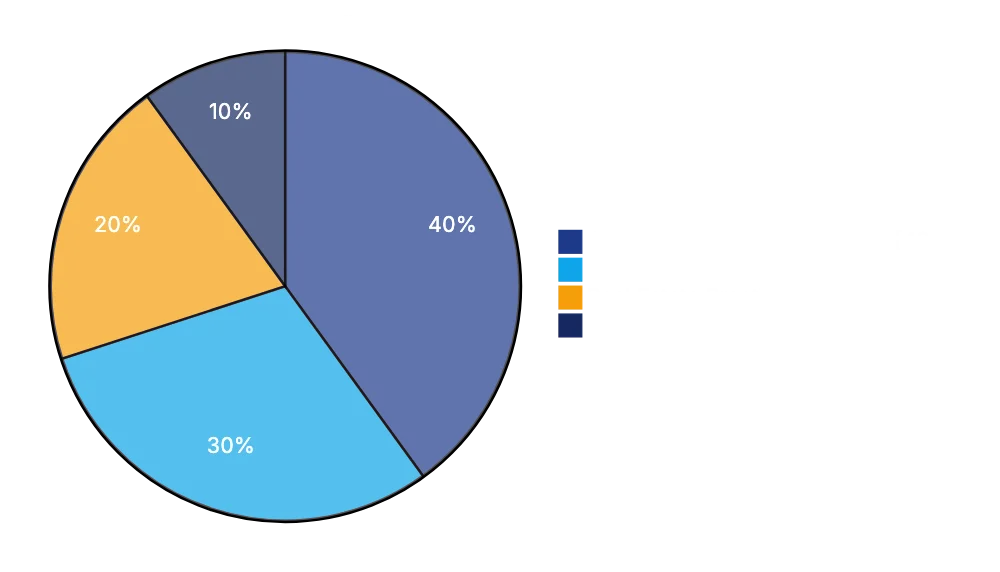
Dioptra AI Ideal Use Cases:
Best Use Cases and Ideal User Profiles
Dioptra AI benefits corporate legal departments managing contracts, real estate practices, and procurement teams. It provides value in analyzing vendor agreements, ensuring contract compliance, and managing real estate portfolios. It isn’t ideal for large-scale due diligence or low-volume firms.
User Experience and Customer Feedback
Users appreciate Dioptra’s ease of use and setup speed. The clause identification accuracy is high, though legal professionals still need to verify extractions. Support quality is consistently rated highly. Some want more templates or integration features. Pricing is seen as reasonable by larger firms, while smaller entities find it expensive.
Setup Realities and Getting Started
Successful deployment begins with defining use cases and configuring templates. Training is essential for users to understand AI capabilities. Starting with a pilot project refines configurations and demonstrates value. Dioptra should integrate into existing workflows for sustained use.
Limitations and Areas for Improvement
Dioptra struggles with complex negotiations and non-English contracts. Handwritten documents and detailed conditional logic present challenges. It lacks full contract lifecycle management features and sophisticated reporting capabilities. Dioptra is best for practical contract review assistance, not replacing detailed legal judgment.
Bottom Line
Dioptra AI offers effective contract review by extracting provisions and identifying risks. It’s priced for mid-market use, accessible but requiring commitment. The platform provides genuine value by expediting review and consistency. It deserves consideration if your workflow needs practical AI support.
Frequently asked questions
What types of contracts can Dioptra AI analyze?
Dioptra AI specializes in analyzing various contract types, including purchase agreements and non-disclosure agreements (NDAs). Its capabilities allow for in-depth analysis of obligations, renewal dates, and liability clauses, providing valuable insights for legal professionals.
How does Dioptra AI ensure accuracy in contract analysis?
Dioptra AI employs a hybrid architecture that combines transformer-based models with deterministic rule engines. This dual approach enhances the accuracy of legal language interpretation and allows users to refine analysis based on their specific requirements.
What are the pricing options for Dioptra AI?
Dioptra’s pricing starts from approximately $15,000 to $25,000 annually for smaller departments and can go up to $60,000 for mid-market options. Pricing is tiered based on contract volume and features, with enterprise options available upon request.
What deployment options are available for Dioptra AI?
Dioptra AI offers both cloud and on-premise deployment options, making it adaptable to various organizational needs. Cloud deployment is ideal for those seeking reliability and uptime, while on-premise solutions cater to clients with strict data residency concerns.
Is Dioptra AI compliant with data security standards?
Yes, Dioptra is SOC 2 Type II certified, meaning it meets stringent security and data-handling practices. It employs AES-256 encryption for data in transit and at rest, along with role-based access controls to support compliance and safeguard sensitive information.
Who are the ideal users for Dioptra AI?
Dioptra AI is best suited for corporate legal departments, procurement teams, and real estate practices that manage various contracts. It provides substantial benefits in analyzing vendor agreements and ensuring compliance, although it is not ideal for very low-volume firms or large-scale M&A due diligence.
What are the limitations of Dioptra AI?
While Dioptra excels in routine contract reviews, it faces challenges with complex negotiations, non-English contracts, and handwritten documents. Additionally, it does not offer full contract lifecycle management features or advanced reporting capabilities, making it essential for users to maintain legal judgment during analysis.